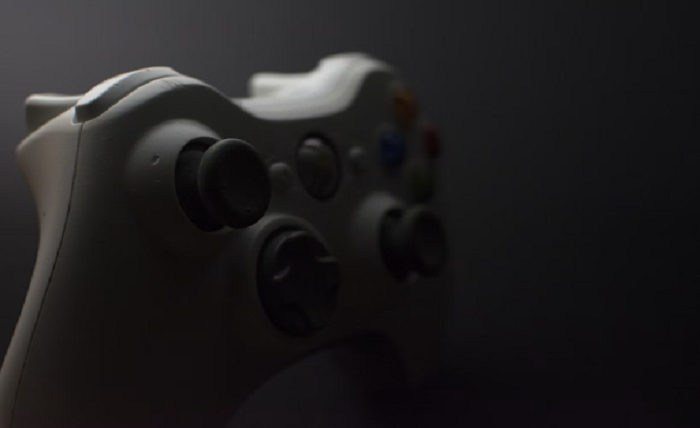
A decade ago rumble motors inside controllers delivered little more than buzzy jolts. Today the science of haptics blends precise actuators, pressure sensors, and audio-driven vibrations, turning virtual collisions into tactile moments that feel almost lifelike. The result resembles a silent language of pulses and taps that enlarges emotional range far beyond sound and graphics alone.
Next-generation designers also explore cross-platform synergies. Mobile studios, for example, pair advanced vibration patterns with lightning-fast network code, letting an aviator game app flutter in the palm exactly when an on-screen plane shifts altitude. Such synchronous signals build trust in game physics while enriching competitive depth.
From Simple Buzzes to Sophisticated Sensations
Hardware makers invested heavily in miniaturized linear resonant actuators. Each upgrade extended frequency range, enabling nuanced feedback instead of blunt shocks. Modern engines even layer multiple vibration tracks, weaving environmental ambience—rainfall, heartbeat, recoil—into one coherent sensory narrative.
Milestones on the Road to Realistic Touch
- Impulse Triggers in Consoles
Independent motors beneath individual triggers replicate firearm recoil, brake resistance, or bowstring tension with convincing force curves. - HD Rumble in Handheld Devices
Granular control over amplitude and duration paints subtle textures such as rolling marbles or distant thunder without speaker support. - Wearable Haptic Suits
Lightweight vests and sleeves translate explosions or nearby footsteps into localized pressure, improving spatial awareness inside VR arenas. - Adaptive Mobile Engines
Flagship smartphones synchronize gyro data with multi-directional buzzes, giving racing titles accurate drift cues on pocket hardware. - Ultrasonic Surface Waves
Experimental touchscreens modulate friction, letting fingers glide over virtual buttons that seem to pop from glass.
Interlocking advances across these domains elevate immersion to levels once thought impossible on consumer equipment.
Design Principles Guiding Next-Gen Haptics
Successful feedback systems follow strict rules. Signal clarity matters more than raw strength because overlapping vibrations can blur intended meaning. Latency must remain under ten milliseconds to match visual cues, while power consumption must not drain batteries during marathon sessions.
Rich libraries of tactile assets allow artists to map feelings directly into code. Instead of referencing vague “rumble heavy” notes, teams assign precise frequency envelopes and durations that mirror physical events under laboratory measurement.
Challenges Yet to Solve Before Full-Touch Immersion
- Standardization Across Platforms
Contrasting motor types and operating systems complicate one-size-fits-all design, forcing studios to author multiple tactile profiles. - Content Creation Bottlenecks
Skilled sound designers translate motion into waveforms, yet many pipelines lack intuitive haptic editors that enable rapid prototyping. - Accessibility Considerations
Strong pulses may discomfort users with certain medical conditions, so adjustable intensity remains critical. - Thermal and Battery Limits
Sustained high-frequency output builds heat and shortens play time, demanding smarter duty-cycle algorithms. - Market Education
Many players still disable rumble by default, unaware that modern patterns offer more than random shaking.
Addressing these obstacles will determine whether haptics achieves parity with graphics and audio as a core pillar of interactive storytelling.
Subtle Vibrations, Massive Business Impact
Publishers already note higher engagement metrics when nuanced touch effects reinforce gameplay loops. Tactical shooters report longer average match sessions once recoil feedback mirrors weapon class. Rhythm titles gain popularity on smartphones equipped with low-latency actuators, cementing tactile response as a differentiator in crowded app stores.
Analysts foresee haptic IP licensing models alongside music and middleware. Studios could purchase signature “feel packs” to brand franchises with recognizable tactile motifs much like cinematic audio stingers.
A Tactile Future Beckons
Touch occupies a primal tier of human perception, predating sight and hearing in evolutionary terms. By tapping into that channel, modern games bridge the gap between screen and skin, forging experiences that resonate on an instinctive level. As actuator precision climbs and creative toolsets mature, future launches may routinely feature demo reels not only for visuals but for texture palettes as well.
Once players feel individual raindrops land on a digital character or sense subtle wind shifts before an in-game storm, immersion will no longer hinge solely on photorealism.