
Getting noticed online is hard. Thousands of new posts go live every minute, and most of them vanish without a trace. That’s why so many marketers now turn to premium guest posting to stand out, build trust, and grow their traffic the right way.If you’ve heard the term but aren’t sure what it really means, you’re in the right place. This guide breaks it down in plain language, with real examples and practical tips you can use today.
What Does Premium Guest Posting Actually Mean?
Premium guest posting means publishing your content on high-quality, well-established websites in your niche. These sites already have strong traffic, loyal readers, and good standing with search engines. Your article sits alongside other trusted content, which gives your brand instant credibility.
This is different from posting on random, low-value blogs just to grab a backlink. Those cheap links often do more harm than good. Premium guest posting focuses on quality over quantity, and that difference matters a lot.
How It Differs From Regular Guest Blogging
Regular guest blogging can mean posting anywhere that accepts your article. Some of those sites have thin content, spammy ads, or almost no real readers. Google notices this, and it can hurt your site’s reputation.
Premium guest posting is picky on purpose. The sites involved have real editorial standards, active audiences, and solid domain authority. You’re not just getting a link, you’re getting exposure to people who might actually become customers.
Why Businesses Are Investing in Premium Guest Posting
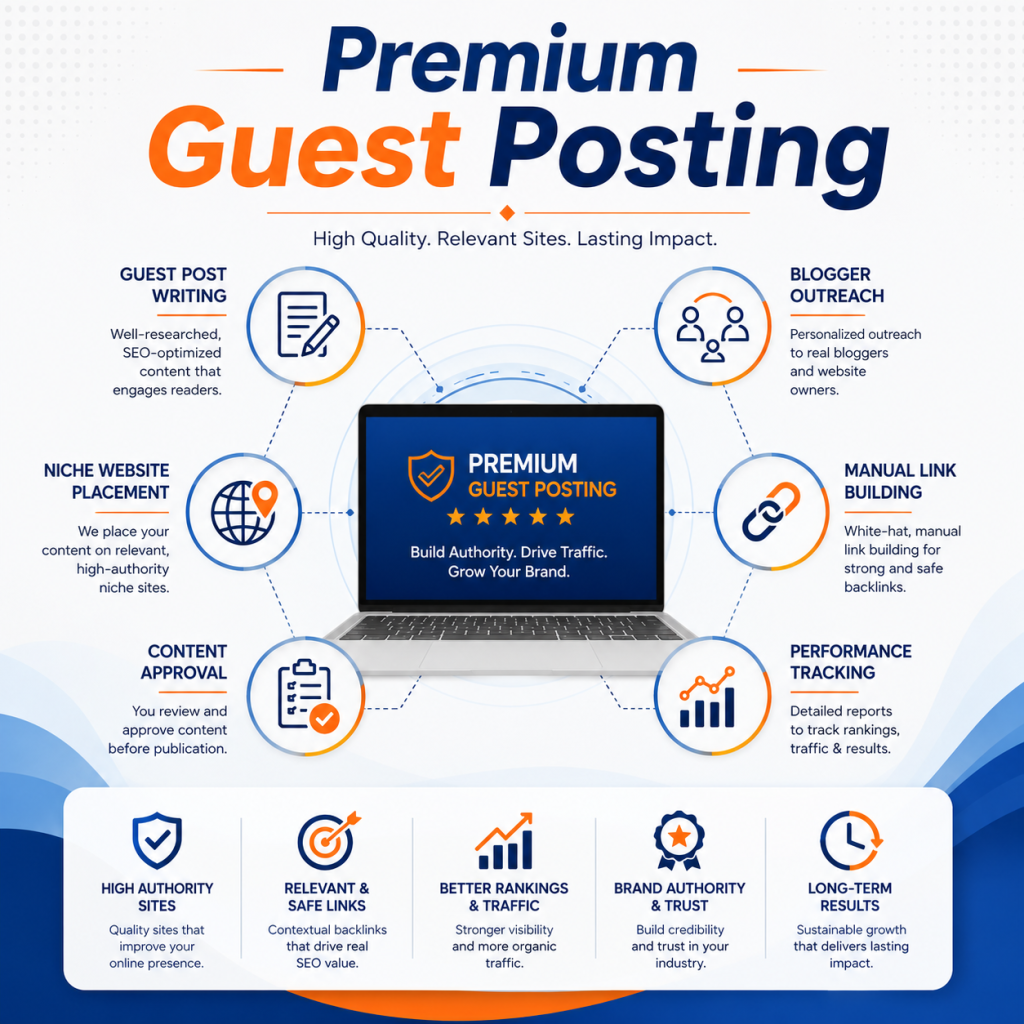
More brands are shifting their budgets toward premium guest posting because it delivers results that last. A single well-placed article can bring visitors for years, unlike a paid ad that stops working the moment you stop paying. Let’s look at the biggest reasons companies choose this strategy.
It Builds Real Trust With Readers
When your article appears on a respected website, readers assume you’re credible too. This is basic human psychology, we trust things that trusted sources vouch for. A guest post on a well-known industry site works like a strong recommendation from a friend.
Think about it this way. If a stranger tells you a restaurant is great, you might shrug it off. But if a food critic you follow says the same thing, you probably believe them. Premium guest posting works the same way for your brand.
It Improves Search Engine Rankings
Search engines like Google use backlinks as a signal of trust. A link from a respected site tells Google that other credible sources vouch for your content. This can boost your rankings over time, especially when the link comes from a site in your same industry.
Not all links carry equal weight though. A link from a spammy site can actually drag your rankings down. That’s why premium guest posting focuses only on sites with strong authority and clean reputations.
It Drives Targeted Traffic
Unlike random ads shown to anyone online, a guest post reaches people who already care about your topic. Someone reading a fitness blog is far more likely to click through to your protein powder review than someone scrolling through unrelated content. This targeted exposure often leads to better conversion rates.
Here’s a simple example. A software company wrote a guest post about productivity tips on a popular business blog. Within a month, they saw a 22 percent jump in trial sign-ups from that single article. That’s the kind of result premium guest posting can bring.
Key Benefits of Premium Guest Posting at a Glance
Sometimes a quick table says more than a full paragraph. Here’s a breakdown of what you gain when you choose premium guest posting over cheaper alternatives.
| Benefit | Premium Guest Posting | Low-Quality Guest Posting |
|---|---|---|
| Website Authority | High, trusted domains | Low or unknown domains |
| Reader Engagement | Real, active audience | Little to no engagement |
| SEO Impact | Positive and lasting | Risky, can trigger penalties |
| Brand Reputation | Builds trust and credibility | Can damage brand image |
| Traffic Quality | Targeted and relevant | Random or bot traffic |
| Long-Term Value | Grows over time | Fades quickly |
This table makes the choice pretty clear. Cheap guest posts might look tempting because of the low cost, but they rarely pay off. Premium guest posting costs more upfront, but the return is much stronger.
How to Find the Right Sites for Premium Guest Posting
Finding good sites takes a bit of research, but it’s worth the effort. You don’t want to waste time pitching to sites that won’t help your goals.
Check the Site’s Authority and Traffic
Use free tools like Google’s site search or paid tools like Ahrefs and Semrush to check a site’s domain authority and monthly traffic. A site with strong numbers in both areas is usually a safe bet for premium guest posting. Avoid sites that show inflated stats or almost no organic visitors.
Also look at how often the site publishes new content. A site that hasn’t posted in six months might be inactive or losing its audience. You want a partner site that’s alive and growing, not one that’s fading away.
Read a Few of Their Existing Articles
Before you pitch, spend ten minutes reading a few recent posts. Notice the tone, the depth, and how readers comment or share the content. This tells you if your writing style and topic will actually fit their audience.
If the comments section is full of genuine questions and discussion, that’s a great sign. It means real people read and engage with the content, which is exactly what you want from premium guest posting.
Look at Their Outbound Links
Check where the site links out to in their articles. If they only link to other high-quality, well-known sources, that’s a good sign of editorial standards. If they link to spammy or unrelated sites, it might be a red flag worth avoiding.
Crafting a Pitch That Actually Gets Accepted
Writing a good pitch is half the battle in premium guest posting. Editors get dozens of pitches a week, so yours needs to stand out fast.
Keep Your Email Short and Specific
Don’t send a generic message that could apply to any site. Mention a specific article you read on their blog and explain why your idea fits their audience. Editors can tell within seconds if you actually read their content or just copied a template.
Keep the whole email under 200 words if you can. Busy editors appreciate people who respect their time. A short, clear pitch often beats a long, flowery one.
Offer a Few Topic Ideas, Not Just One
Give the editor two or three headline ideas instead of just one. This shows you understand their content and gives them room to pick what fits best. It also increases your odds of getting a yes.
Show Proof of Your Writing Skill
Attach a link or two to your best previous work. If you’re new to writing, even a solid blog post on your own site can work as a sample. Editors want proof you can write clean, useful content before they say yes.
Writing Content That Editors Love
Once your pitch gets accepted, the real work begins. Good writing is what turns a one-time guest post into a long-term relationship with that site.
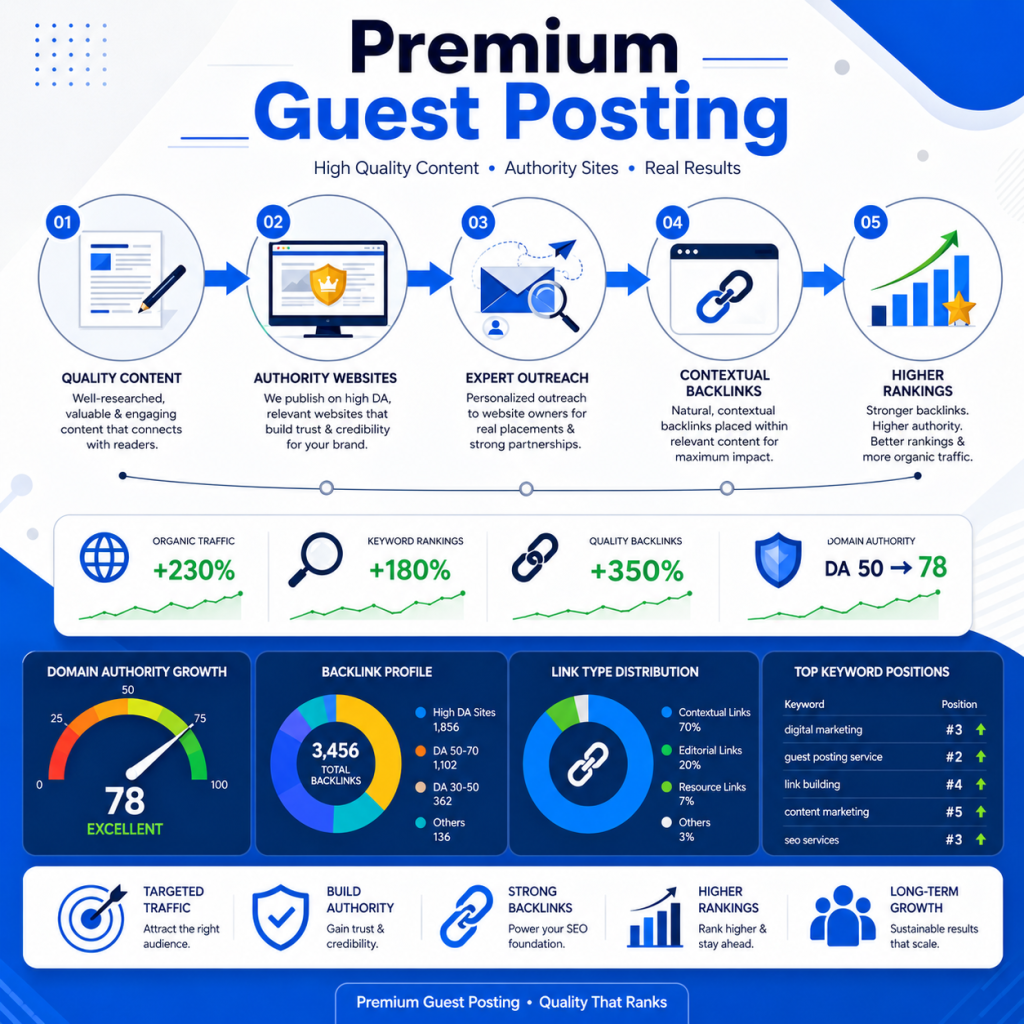
Focus on the Reader, Not Just the Backlink
Many guest posters make the mistake of stuffing links everywhere and ignoring the reader’s actual needs. This is a fast way to get your article rejected or edited heavily. Write like you’re genuinely trying to help the reader solve a problem.
Use Simple, Clear Language
Avoid fancy words when a simple one works just as well. Short sentences read faster and keep people scrolling. Remember, most readers skim before they decide to read the whole thing.
Add Examples and Data Where You Can
Numbers and real examples make your writing more believable. Instead of saying “many businesses saw growth,” say “63 percent of businesses in a recent survey reported growth.” Specific details build trust faster than vague claims.
Common Mistakes to Avoid in Premium Guest Posting
Even experienced marketers slip up sometimes. Here are a few mistakes worth watching out for.
Chasing Quantity Over Quality
Some people try to publish on as many sites as possible. This spreads your effort thin and often lowers the quality of each post. It’s better to publish fewer, stronger articles on respected sites than dozens of weak ones.
Ignoring the Site’s Guidelines
Every site has its own rules about word count, formatting, and linking. Skipping these guidelines is one of the fastest ways to get your pitch or draft rejected. Always read the guidelines twice before you start writing.
Forgetting to Promote Your Guest Post
Once your article goes live, share it on your social channels and email list. This shows the host site that you’re a real partner, not just someone grabbing a link and disappearing. It also brings extra traffic to the article, which benefits everyone.
Measuring the Success of Your Premium Guest Posting Campaign
Tracking results helps you know if your efforts are actually working. Don’t just publish and forget.
Watch Your Referral Traffic
Check your website analytics to see how many visitors come from each guest post. Tools like Google Analytics show this clearly under the “Referrals” section. If a post brings steady traffic weeks after publishing, that’s a sign it’s working well.
Track Keyword Rankings Over Time
Search rankings don’t change overnight. Give it four to eight weeks, then check if your target keywords have moved up. Premium guest posting often shows its full SEO benefit after a couple of months, not right away.
Monitor Brand Mentions and Sign-Ups
Beyond traffic, look at whether your guest posts lead to more brand searches or sign-ups. Some companies see people searching their brand name directly after reading a guest post. This is a strong sign that the article built genuine trust and awareness.
Frequently Asked Questions
What is premium guest posting?
Premium guest posting means publishing articles on high-authority, well-respected websites instead of random or low-quality blogs. These sites have real audiences and strong editorial standards. This approach builds trust and improves your search rankings more reliably.
How much does premium guest posting usually cost?
Costs vary widely, ranging from a few hundred dollars to over a thousand per post, depending on the site’s authority. Higher traffic and stronger domain sites typically charge more. The investment often pays off through lasting traffic and improved brand trust.
How long does it take to see results?
Most marketers start noticing traffic and ranking changes within four to eight weeks. SEO benefits build gradually rather than appearing overnight. Patience is key, since search engines need time to recognize and value new backlinks.
Is premium guest posting better than paid ads?
Guest posts offer longer-lasting value since the article stays online and keeps working after publication. Ads stop generating traffic the moment you stop paying for them. Many businesses use both together for the best short-term and long-term results.
How do I find sites that accept premium guest posting?
Search for “write for us” plus your industry keyword to find sites open to guest contributors. You can also check competitor backlinks using SEO tools to see where they’ve published. Reaching out directly to respected blogs in your niche works well too.
Final Thoughts
Premium guest posting isn’t a quick trick or a shortcut. It’s a steady, honest way to build authority, earn trust, and grow traffic that actually converts. The sites you choose matter, the pitch you send matters, and the quality of your writing matters even more.
If you focus on real value for readers instead of chasing cheap links, premium guest posting can become one of the strongest tools in your marketing plan. Start small, pick a few respected sites in your niche, and build from there. Over time, this steady approach pays off far more than any shortcut ever could.